Classic games, played out
Playing a great game from a book means never daring to test your own idea at move nineteen. Here the coach speaks where a strong annotator had something to say, the eval bar keeps score, and at any position you can step off the page, try your idea against Stockfish, and see what history did.
10 games, every note traced to a published annotator. 5 more are still being sourced and stay off the shelf until they check out.
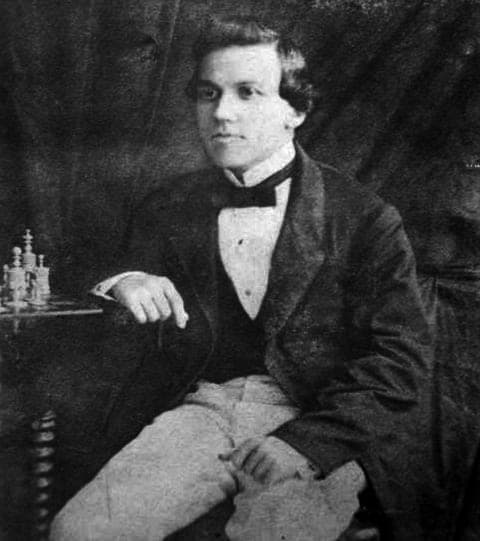
Paul Morphy vs Duke Karl / Count Isouard 1-0
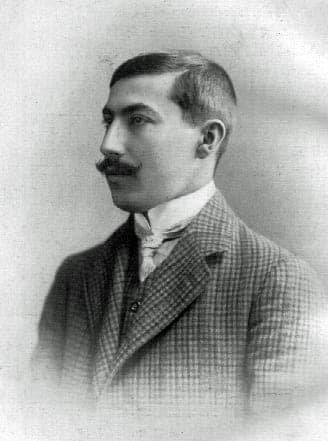
Georg Rotlewi vs Akiba Rubinstein 0-1
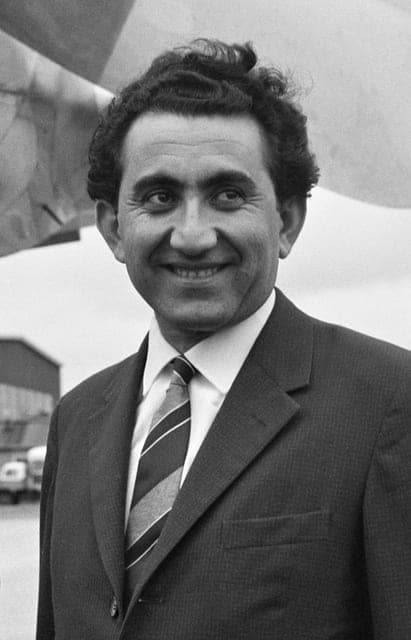
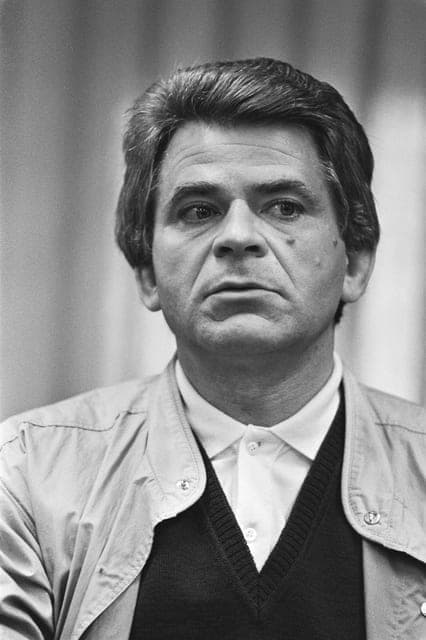
Tigran Petrosian vs Boris Spassky 1-0
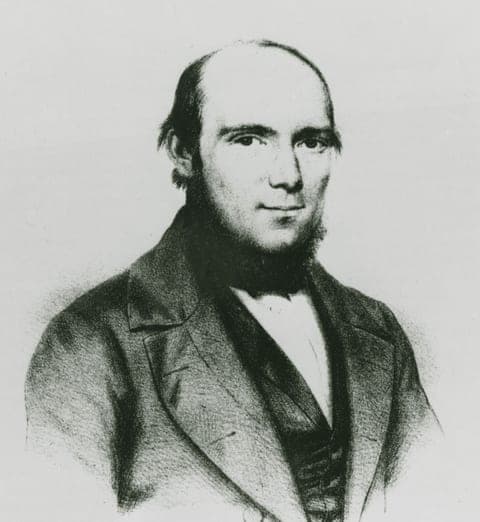
Adolf Anderssen vs Jean Dufresne 1-0
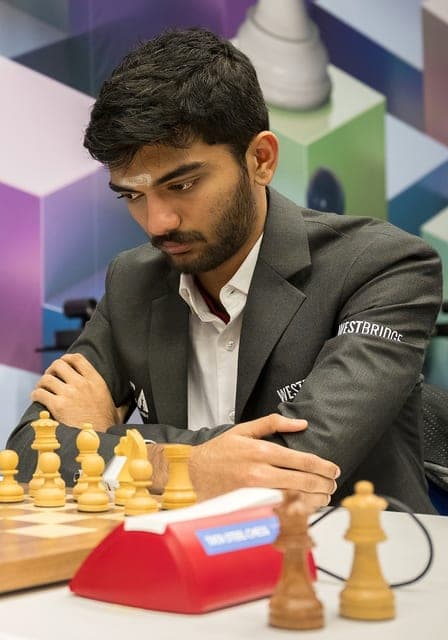
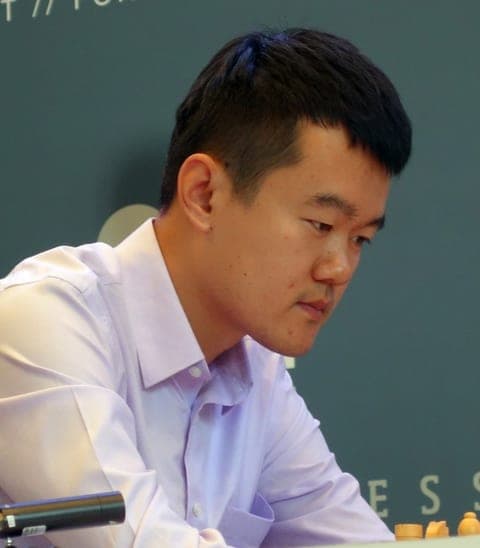
Frans Peeters · CC BY-SA 2.0 · Stefan64 · CC BY-SA 3.0
Gukesh Dommaraju vs Ding Liren 1-0
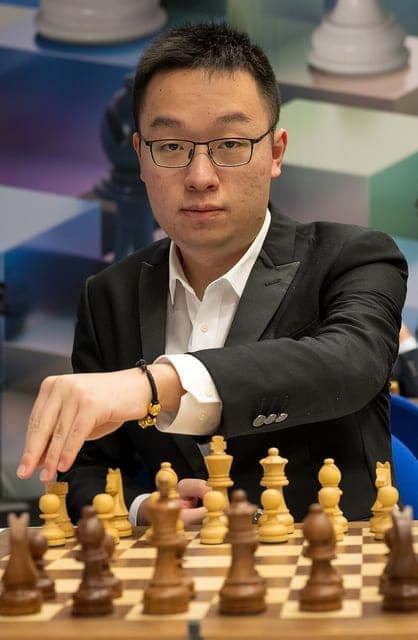

Frans Peeters · CC BY-SA 2.0 · ChessKelly · CC BY 4.0
Wei Yi vs Javokhir Sindarov 0-1
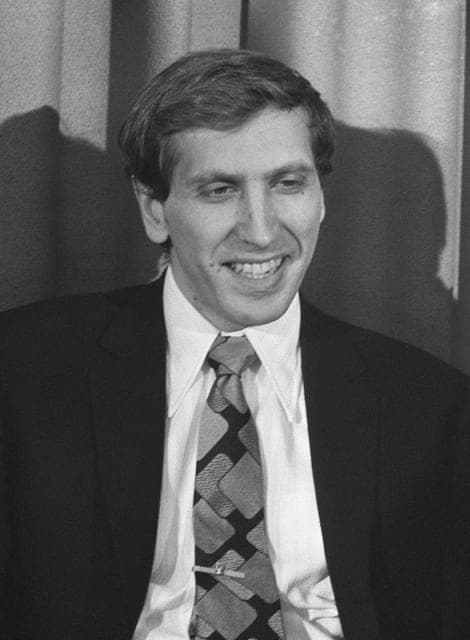
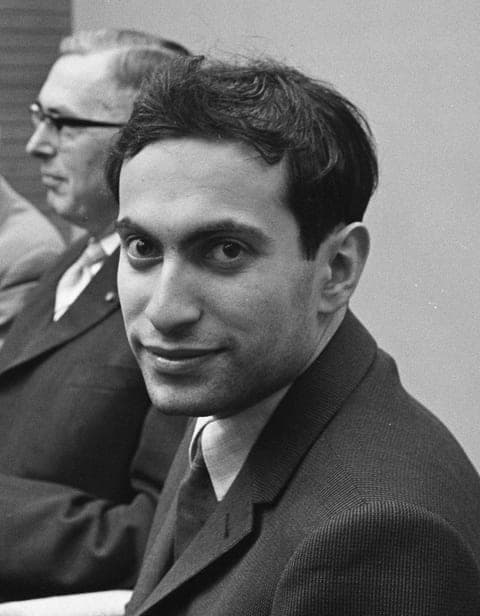
Harry Pot for Anefo ]] · CC BY-SA 3.0 nl
Bobby Fischer vs Mikhail Tal 1-0
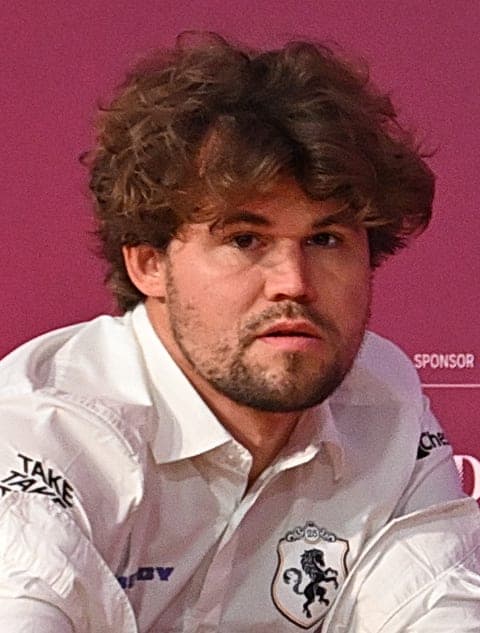
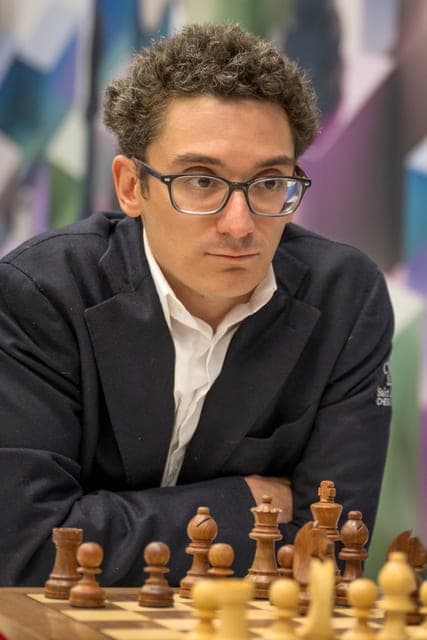
Miroslav.vajdic · CC BY 4.0 · Frans Peeters · CC BY-SA 2.0
Magnus Carlsen vs Fabiano Caruana 1/2-1/2
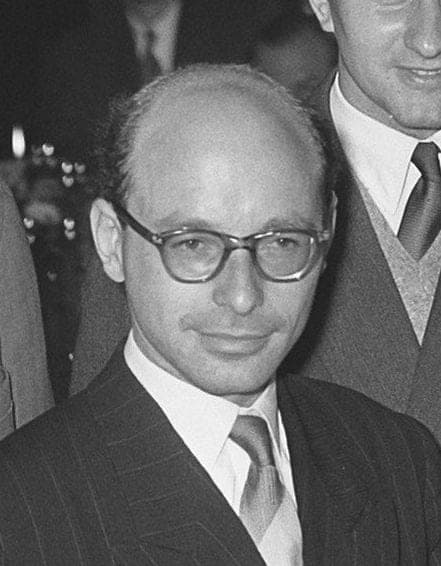
Boris Spassky vs David Bronstein 1-0
Model game for King's Gambit
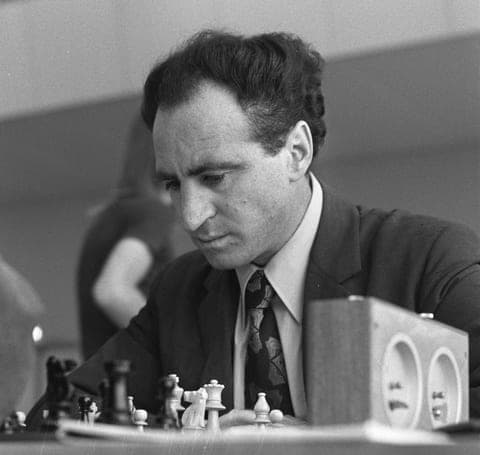
Lev Polugaevsky vs Rashid Nezhmetdinov 0-1